




CS2 (CS:GO) Rarity Guide: Understanding CS2 Skin Rarity Levels

If you have ever opened a CS2 case and wondered why some skins are very affordable while others reach very high prices, you are not alone. The answer comes from CS2 (CS:GO) rarity levels, a system that controls how often each skin appears and how much players pay for it.
If you search for rare items, trade for better deals, or enjoy skins that look great, that learn CS2 rarity helps you understand the market. This guide will walk you through every rarity tier, explain how drop chances affect prices, and show you what makes a skin valuable beyond its color grade.
What Is CS2 (CS:GO) Skin Rarity?
CS2 (CS:GO) rarity is Valve’s classification system for organizing weapon skins into tiers. Each tier has a specific color code and drop rate, which means some skins appear far more often than others when you open cases. This rarity system sets the base value for every skin in the game, before you consider factors like wear, StatTrak, or pattern.
You should not mix up CS2 (CS:GO) skin rarity with wear level. Rarity tells you how rare a skin is to get, while quality refers to its wear level (Factory New, Minimal Wear, and others), if it has StatTrak™, and which pattern version it received. Two skins can share the same rarity but have different prices based on these quality factors.
All CS2 (CS:GO) Skin Rarity Levels Explained
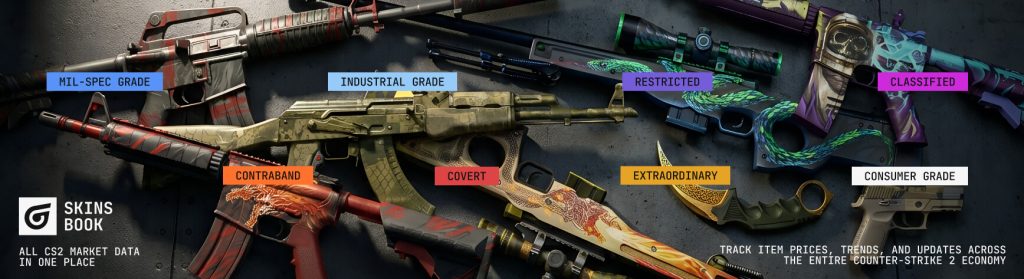
The CS2 rarity has eight tiers, each with a color and its own drop rate. Higher tiers appear less often and cost more. Here is a clear look at each level, so you know what you see when you check a skin:
Consumer Grade (White)
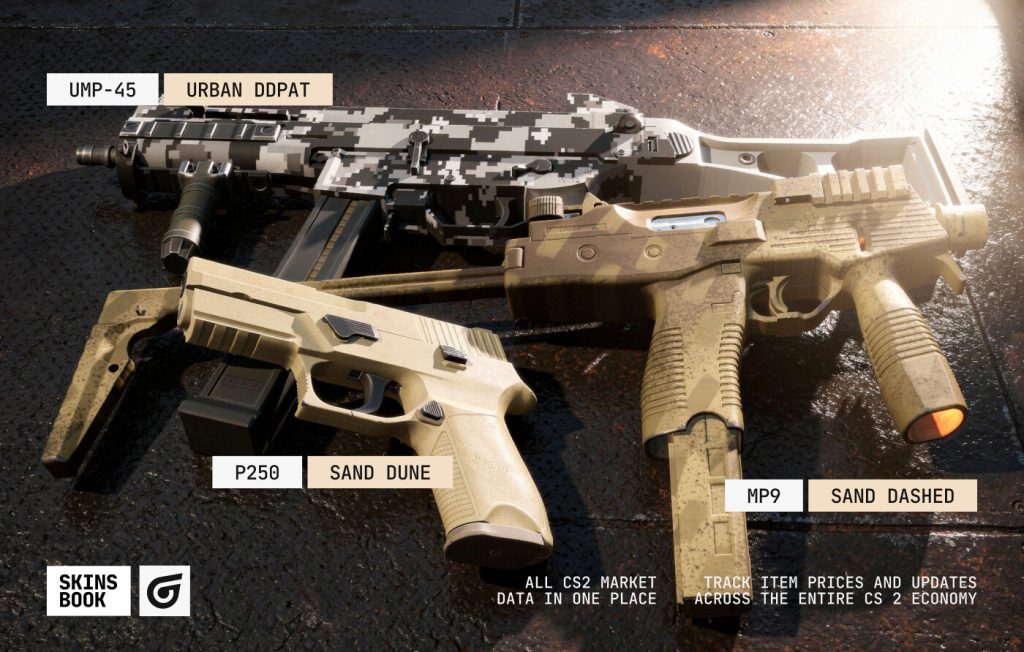
Consumer Grade rarity is at the bottom of the CS2 (CS:GO) rarity ladder and uses a white or gray color code. These skins drop as common post-match rewards and from some map collections. Most Consumer Grade items cost less than $0.50 because there are far more copies than players need, and their designs are simpler than those in higher tiers.
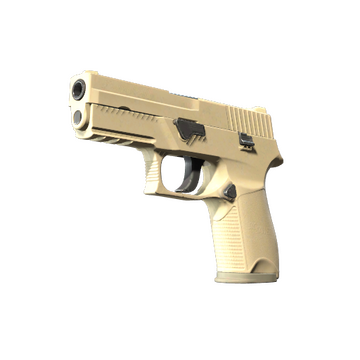
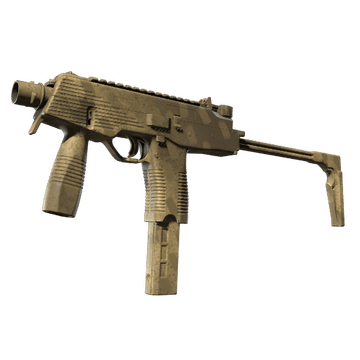
You see them a lot in your inventory, even though they don’t come from standard weapon cases. They won’t bring high profits, yet they still offer some clean options if you want cheap skins. The best Consumer Grade skins in the game are the P250 | Sand Dune , the MP9 | Sand Dashed , the UMP-45 | Urban DDPAT , and more.
Industrial Grade (Light Blue)
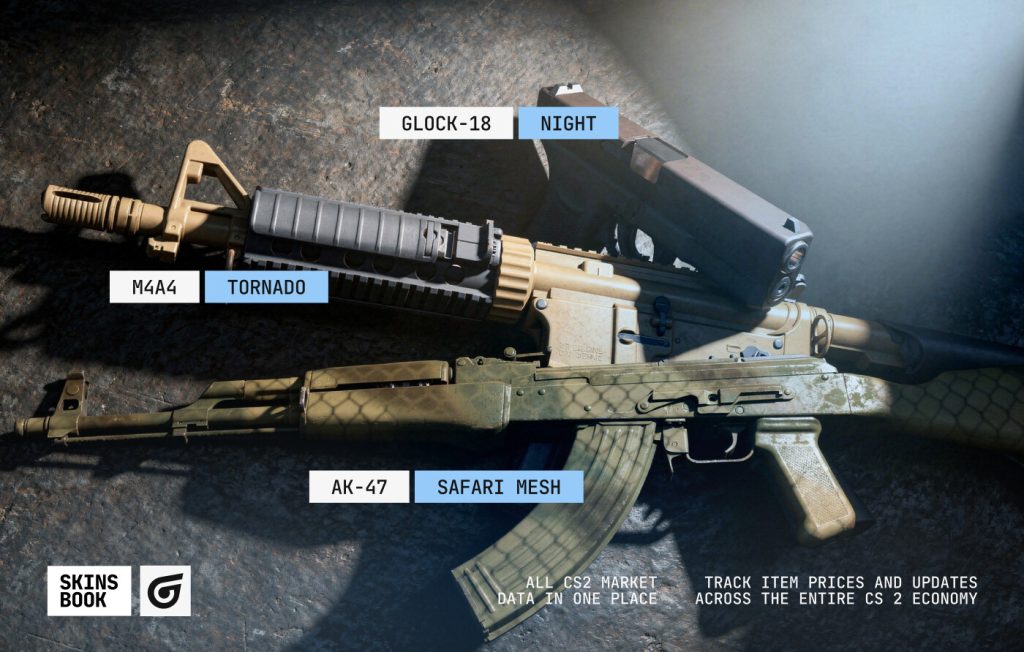
Industrial Grade is the second-lowest rarity tier in CS2 and appears light blue. These skins drop more often than the tiers above them but less often than Consumer Grade items. Most Industrial Grade skins cost around $0.50 to $2.00, though some from older cases can go higher.
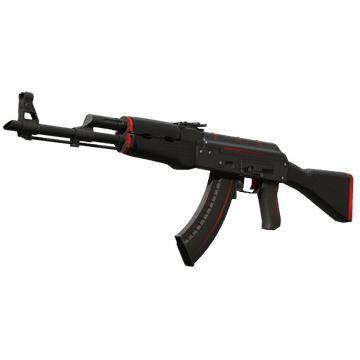
Industrial Grade skins also come from common drops and map collections. Popular choices in this tier include the AK-47 | Safari Mesh , Glock-18 | Night , and M4A4 | Tornado . These skins are simple, yet they give your weapons a cleaner look than the default models.
Mil-Spec Grade (Blue)
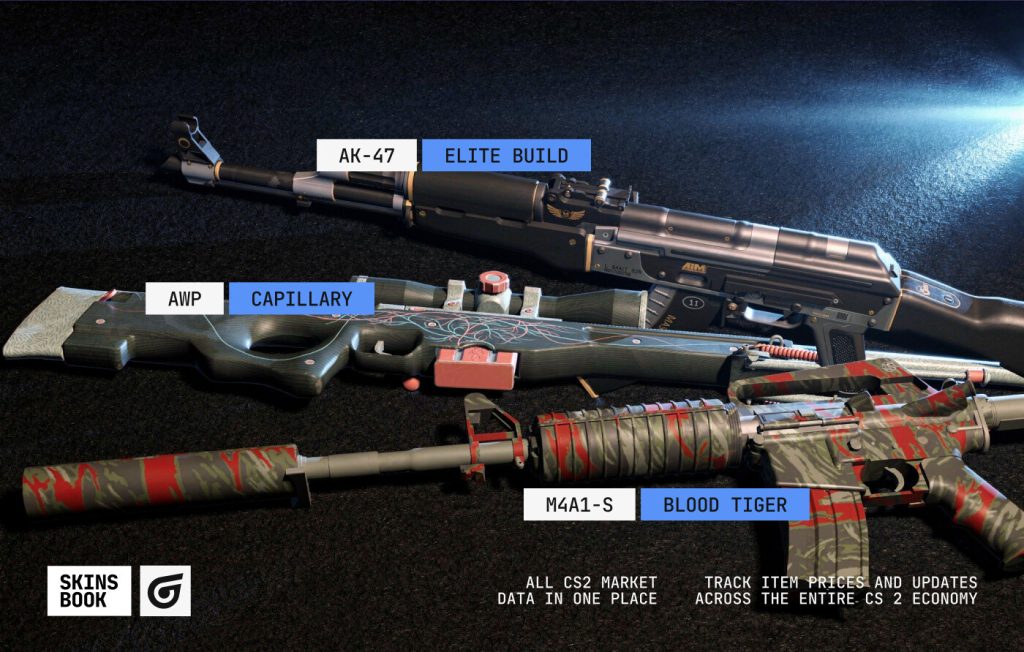
Mil-Spec skins use a blue color and mark the point where CS2 rarity starts to affect prices. These skins drop less often, and their prices usually range from $1.00 to $10.00, depending on the case and design. The (CS:GO) CS2 skin rarity color is dark blue, and these skins drop from almost every weapon case in the game.
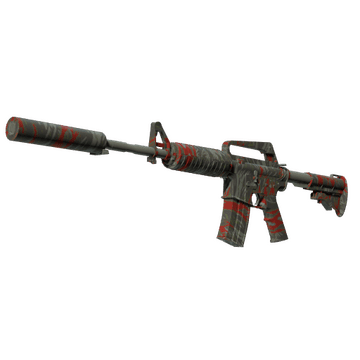
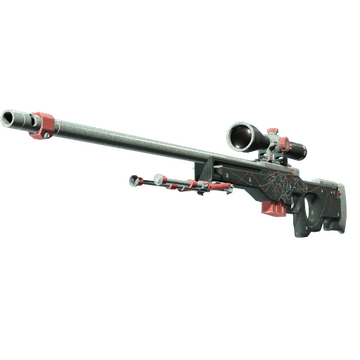
Prices can still stay low, and a lot of items in this group form the cheapest blue rarity skins (CS:GO) CS2 on many markets. Some of the most liked Mil-Spec skins are the AK-47 | Elite Build , M4A1-S | Blood Tiger , and AWP | Capillary . These skins show how CS2 (CS:GO) skin rarity and strong art can push even blue items far above basic prices.
Restricted (Purple)
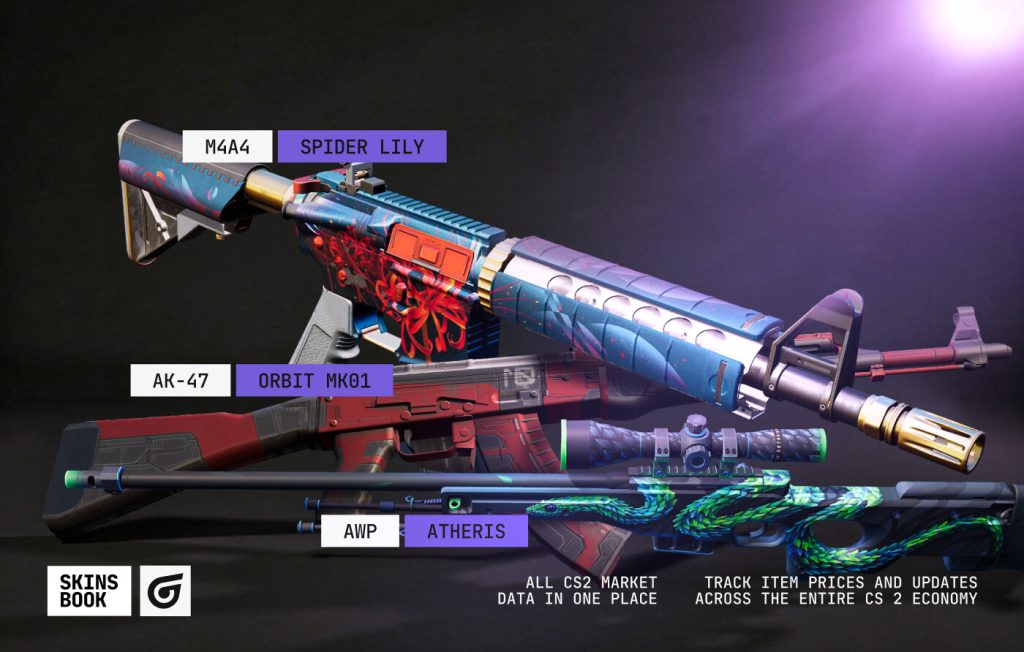
Restricted, or “purple”, stands in the middle of CS2 (CS:GO) rarity. These items drop much less frequently than the three tiers below them, which pushes prices into the $5.00-$50.00 range for most skins. The cheapest purple rarity skins (CS:GO) CS2 stay near the lower price range, but popular weapons like the AK-47 or AWP often cost more because many players want them.
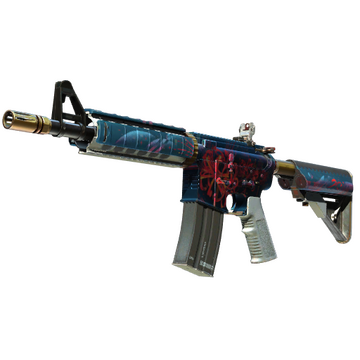
When you open a case, Restricted items feel like a real win because they’re uncommon enough to hold value. The best Restricted skins in the game are the AWP | Atheris , the AK-47 | Orbit Mk01 , and the M4A4 | Spider Lily . These skins have strong visual appeal and stay in demand even years after release. If you want to learn more about affordable options, check out the cheapest CS2 (CS:GO) skins.
Classified (Pink)
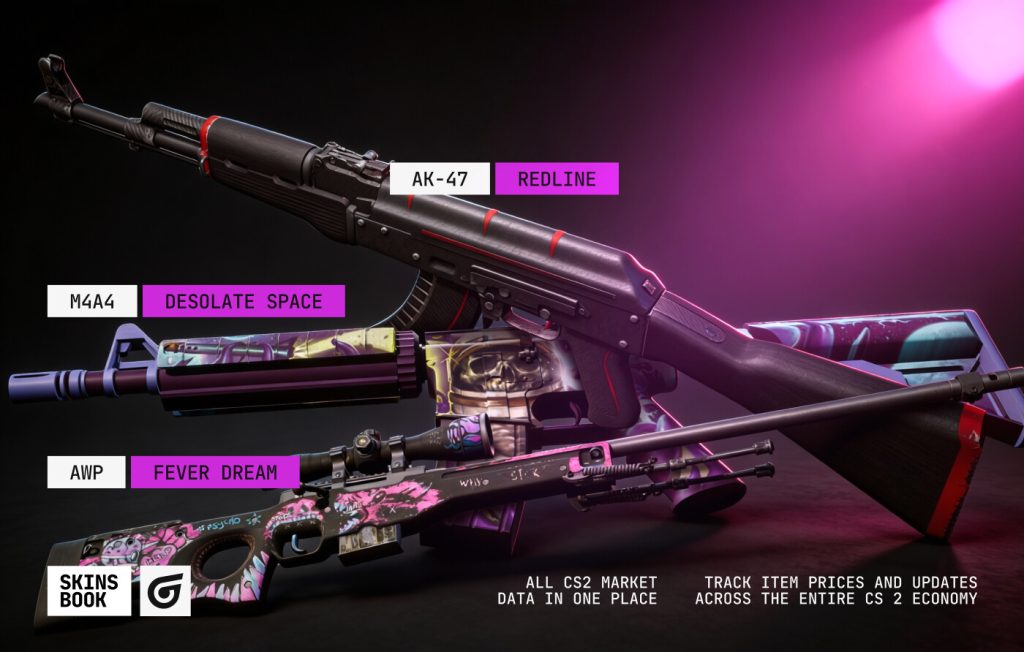
Classified is the second-highest regular tier and uses a pink or magenta color code. CS2 (CS:GO) rarity at this level means you’re looking at items that rarely drop from cases, which prices between $20.00 and $200.00 for most skins. The cheapest pink rarity skins (CS:GO) CS2 come from less desirable weapons or older collections.
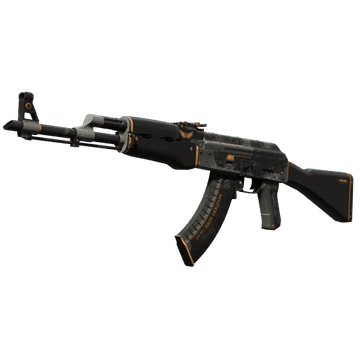
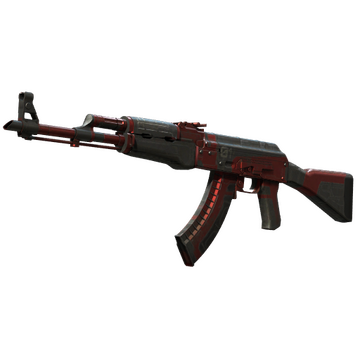
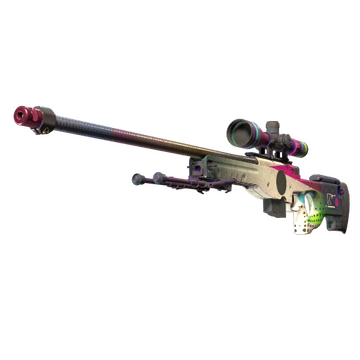
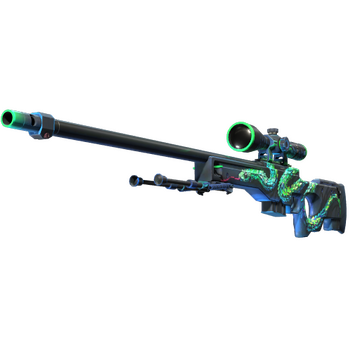
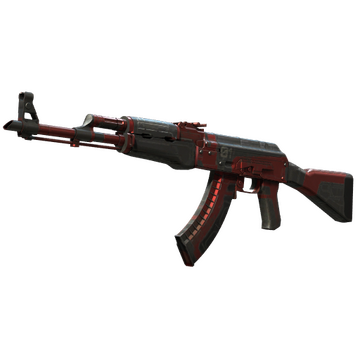
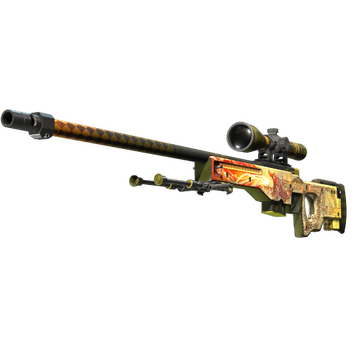
Cases typically include only two or three Classified options, which makes each one feel special when it drops. The best Classified skins in the game are the AK-47 | Redline , M4A4 | Desolate Space , and AWP | Fever Dream . These designs are some of the easiest to recognize in CS2, and players search for them for both style and long-term value. If you want to learn about top-priced items, view the most expensive CS2 (CS:GO) skin listings and see what people choose.
Covert (Red)
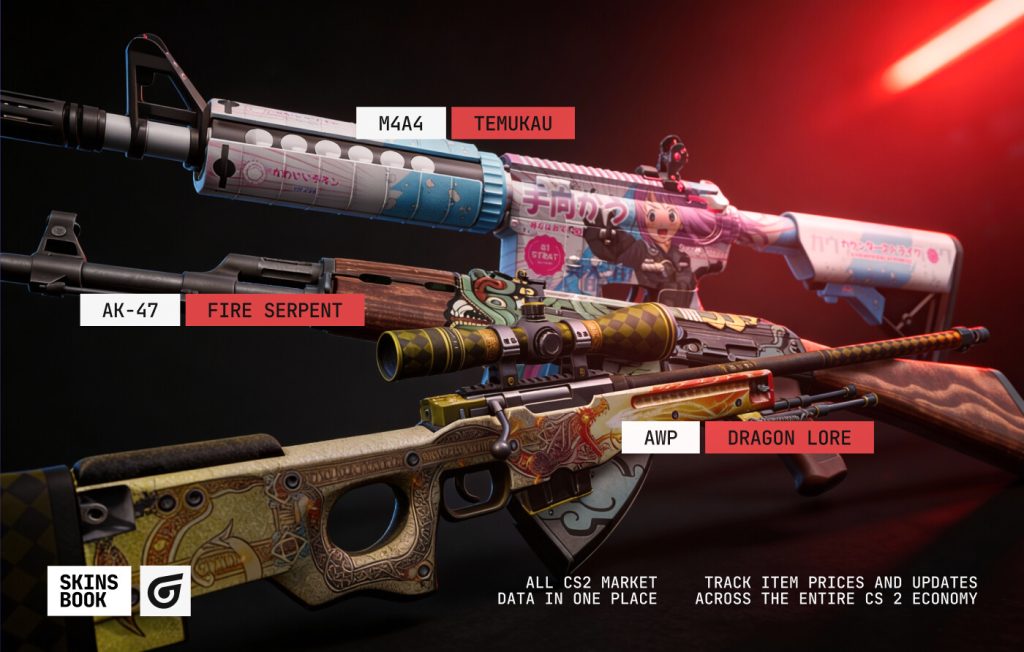
Covert skins are at the top of the standard CS2 (CS:GO) rarity pyramid and display a red color code. These are the rarest regular drops from cases, with odds often below 1% per case opening. Prices start around $50.00 and can increase depending on the weapon and design. The cheapest red rarity skins (CS:GO) CS2 still cost more than most players are willing to spend on a single item.
Each case usually includes only two Covert skins, which makes them the main prize players hope to pull. The best Covert skins in the game are the AWP | Dragon Lore , the AK-47 | Fire Serpent , and the M4A4 | Temukau . The Dragon Lore is famous and ranks among the most valuable skins in the game. A (CS:GO) CS2 skin rarity chart places Covert as the highest regular tier, right before the Gold tier.
Extraordinary (Gold – Knives & Gloves)
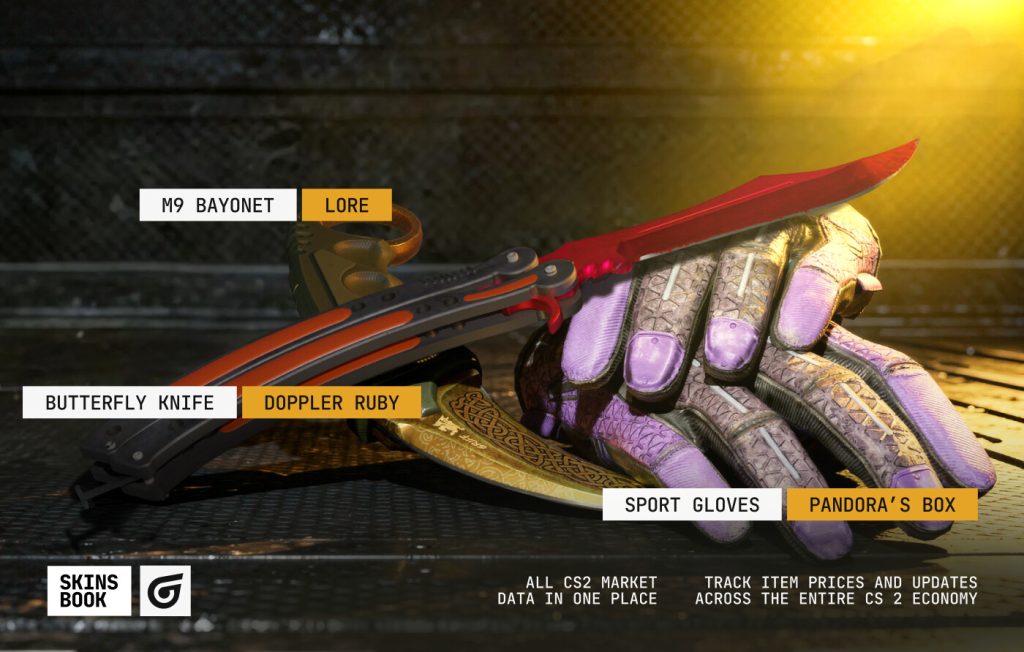
Extraordinary skins are gold-colored and include only knives and gloves. This is the rarest tier in CS2, with drop chances far below 1%. Prices usually start in the $100 range and can reach very high amounts for rare patterns or top float values.
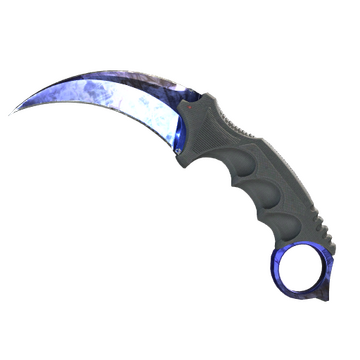
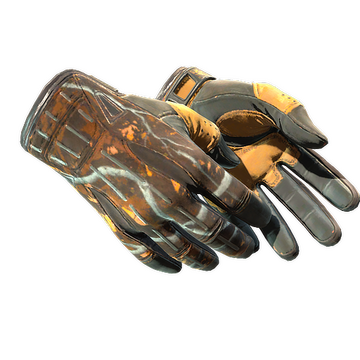
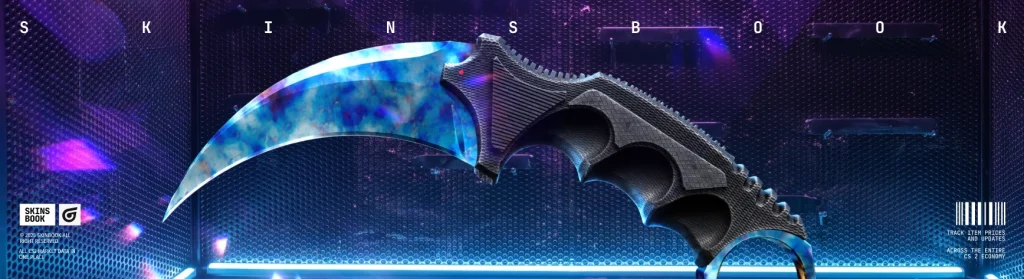
These prices rise because supply stays extremely low while demand stays very high. Every player wants a knife or gloves, yet very few players ever open one. This gap keeps the value high. When you see a player with a Karambit or Sport Gloves , it’s either from a lucky unboxing, serious trading, or a high-value purchase. If you want to explore the full range of gold-tier items, visit all CS2 (CS:GO) skins and filter by Extraordinary rarity.
Contraband
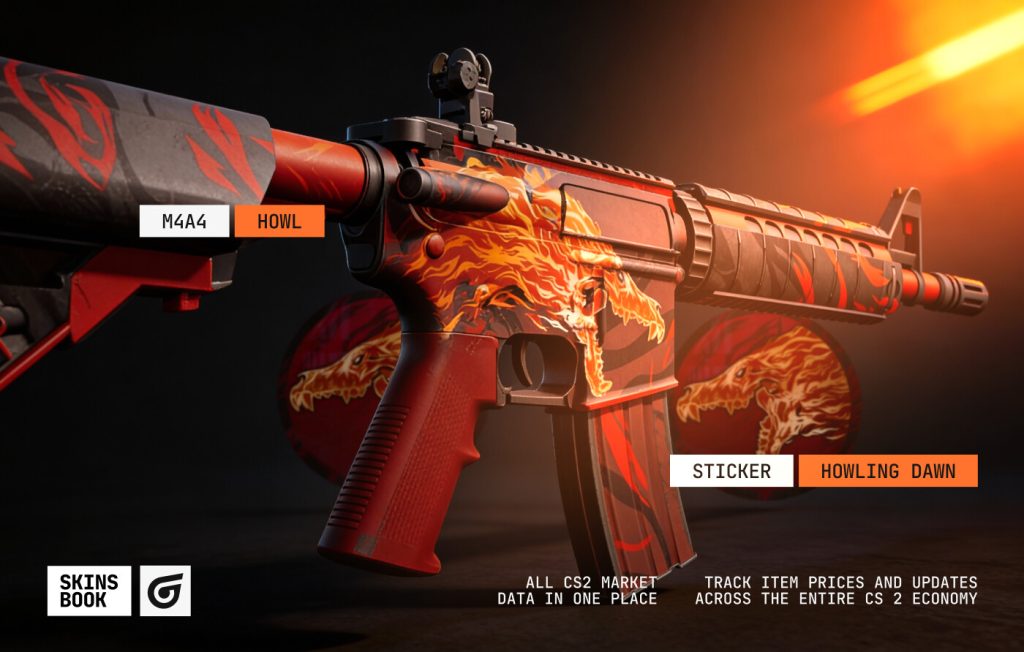
Contraband is a special tier in CS2 because it no longer appears in any drops or cases. You only find them through trades or on markets where players resell old items. Contraband skins sell for around $4,500 and can go far higher, depending on the float and design. The most popular Contraband skin in the game is the M4A4 | Howl and Sticker | Howling Dawn .
CS2 Skin Rarity Chart
You can think of CS2 (CS:GO) rarity using a color group that shows the drop probability. This (CS:GO) CS2 skin rarity chart shows you the order of scarcity, from most common to rarest:
| Rarity | Color | Drop probability |
| Consumer Grade | White | Highest |
| Industrial Grade | Light Blue | High |
| Mil-Spec Grade | Blue | Medium |
| Restricted | Purple | Low |
| Classified | Pink | Very Low |
| Covert | Red | Extremely Low |
| Extraordinary | Gold | Rarest (Ultra-Low) |
How Skin Drop Chances Work in CS2 Cases
When you open a CS2 case, there are fixed percentage odds to determine which rarity tier you’ll receive:
- Mil-Spec (Blue) – 79.92%
- Restricted (Purple) – 15.98%
- Classified (Pink) – 3.2%
- Covert (Red) – 0.64%
- Exceedingly Rare Special Item (Gold – Knife or Gloves) – 0.26%
On top of these standard rarities, every case has a main roll for rare special items, which means knives and gloves. These odds stay almost the same across most cases. Opening extra cases increases your attempts, yet you still have no guarantee of a top-tier item.
Some cases might have fewer items in one tier, but the odds do not change. The drop system stays consistent across all weapon cases. When you know how CS2 rarity affects your chances, you avoid false expectations before you spend money on keys. If you want to track real prices and make smart choices, you should compare CS2 (CS:GO) skin prices across multiple marketplaces.
How CS2 (CS:GO) Rarity Affects Skin Value
CS2 rarity plays a major role in setting a skin’s starting price. However, three extra factors inside the rarity also affect the final value:
Supply & Drop Scarcity
The basic rule in the CS2 market is simple: the rarer an item drops, the higher its price. Rare CS2 skins, such as Covert items, stay costly because only a few are available. When Valve removes old collections or stops certain case drops, the supply becomes even smaller. A tight supply often pushes prices higher over time.
Demand & Popularity
Rarity sets the first price, but demand decides how high it goes. When many players want a skin, its price increases. Interest often grows when a famous esports player or a well-known streamer uses that skin. A Covert AK-47 skin will almost always outsell a Covert PP-Bizon skin because the AK-47 sees far more playtime. Trending skins or skins caught in hype moments can rise in price very fast, even if their CS2 rarity is not the highest.
Aesthetics and Design Quality
You can see big price gaps between skins inside the same rarity tier. This happens because design quality matters. A Mil-Spec skin with a sharp, good-looking style can be worth more than a dull Mil-Spec skin. Players like skins that look stylish and different.
Additional Factors Beyond Rarity
CS2 rarity tells you the basic drop chance, but three other factors can change a skin’s value in a big way:
Wear Level (Float Value)
Every CS2 skin has a float value between 0.00 and 1.00 that decides its wear level. Factory New skins (0.00–0.07) look pristine and cost the most, while Battle-Scarred skins (0.45–1.00) show heavy wear and sell for less. Low-float versions look cleaner and often sell for a premium, especially on rarest CS2 skins.
StatTrak™ Items
StatTrak™ variants track kills on the weapon. This feature has too many players and collectors. StatTrak does not change CS2 rarity, yet it adds extra demand and raises the price. For popular rifles and pistols, StatTrak copies often cost much more than non-StatTrak versions at the same CS2 (CS:GO) skin rarity. On rarest CS2 skins, that gap can become huge, especially in Factory New.
Pattern Index & Unique Patterns
Each skin has a pattern index, a number that decides how the texture sits on the weapon. For example, Blue Gem patterns on Case Hardened skins, special fade spreads on knives, and rare seed layouts on Doppler finishes all show this effect. These special high-value patterns can increase a skin’s price by 10x or more compared to average patterns of the same rarity and wear. For more details on how the economy works, read the CS2 economy guide.
Does Rarity Affect In-Game Chances or Gameplay?
CS2 (CS:GO) rarity affects only looks and price. It does not change hitboxes, spray patterns, recoil, or any base stat. A player with a default gun can perform as well as a player with the rarest CS2 skins in pure gameplay.
Valve keeps CS2 rarity as a cosmetic system on purpose. Skins change how your weapons look and feel, not how they work. Some players think rare skins offer better visibility or a hidden advantage, but that belief does not align with how the game works. CS2 (CS:GO) skin rarity is limited to the visual and economic spaces only.
Tips for Evaluating a CS2 Skin’s Real Value
When you’re looking at a potential trade or purchase, you need to check more than just the CS2 (CS:GO) rarity level. Start by inspecting the float value to see how much wear the skin has. Lower floats usually cost more, so check the price and compare it with the normal market range for that float.
Next, check the pattern to see if the skin uses pattern variations. Use community databases or inspect tools to identify if you’re looking at a common pattern or a rare variation. Special patterns can raise the price a lot, but you must know what to look for before you agree to a trade.
Finally, check price history across multiple platforms to understand recent trends. Markets often change in response to updates, events, and overall CS2 activity. If you want to check CS2 (CS:GO) inventory value for any account, use reliable tracking tools that pull data from Steam and third-party marketplaces. For safe trades, always use secure markets, avoid direct links from strangers, and confirm every offer before you click accept.
Conclusion
All in all, CS2 skin rarity gives you a clear way to understand how often each item appears and why some skins feel far more valuable than others. Higher rarity means fewer drops, yet float value and pattern can still change a skin’s price in a big way. When you look at a skin, you always benefit from checking all three factors together because they shape its true place in the market.
You now have a full view of how each rarity tier works, how drop chances behave, and why the value of a skin can rise or fall over time. If you follow skin collecting or trading, you can look through all rarity levels and choose items that suit both your look and your budget.
FAQ
The order is Consumer Grade, Industrial Grade, Mil-Spec, Restricted, Classified, Covert, Extraordinary, and Contraband.
You have chances to get Mil-Spec (Blue) ~ 79.92%, Restricted (Purple) ~ 15.98%, Classified (Pink) ~ 3.20%, Covert (Red) ~ 0.64%, and Rare Special (Gold) ~ 0.26%.
There are 8 key CS2 rarity levels: Consumer Grade (White), Industrial Grade (Light Blue), Mil-Spec (Blue), Restricted (Purple), Classified (Pink), Covert (Red), Exceedingly Rare (Gold), and Contraband (Orange).
Higher rarity means fewer drops and less supply, so base value rises. Demand, float, and pattern, then check the final price.
Extraordinary gold items like knives and gloves keep their rarity because they drop less than any other tier.
Each case follows the same fixed odds. Most drops stay in the common group, and only a small group reaches Covert or the special item.
No. Some low-rarity skins cost more than mid-rarity items because players love the design or need them for trade-ups.
Rarity shows how hard the skin is to drop. Wear (float) is a 0.00–1.00 value that shows how clean or worn the skin looks.
Pattern indexes (0–999) set the exact layout of the skin on the weapon. Some indexes create rare looks, like Blue Gems or special fades, which increase the price.
Yes. All CS2 rarity charts follow the same seven-tier setup.
You should check float, pattern index, and community demand.
Low supply and high demand can increase prices.
You can check the inspect tools to show the rarity tier and color right under the skin name.
Both matter. CS2 (CS:GO) rarity sets the main range, while float value sets the exact position inside that range.
Yes. Two skins can share the same CS2 rarity and still sit at very different prices. Art, float, pattern, and demand explain that gap.
Be the first to share your thoughts.